


Learn about our past.
Initial discussions focused on meeting with the International leaders of two unions — the International Union of Operating Engineers (IUOE) and the Laborers' International Union of North America (LIUNA) — to negotiate a "regional agreement" that would provide relief in wages and fringe benefits to signatory union contractors so they could be more competitive with the Brotherhood of Railroad Workers.The group eventually negotiated an agreement with the Laborers and Operators for some wage relief on non-union projects. It became the forerunner of the RTOA agreement in place today. The new agreement was fraught with continual problems primarily related to coordination with local unions who could not see beyond their personal fiefdoms. Steve Goggins with Kelly Railroad Contractors personally settled many protests and labor strikes by simply calling on local unions to contact Mr. Wilbur Freitag, a IUOE vice president. This approach usually resolved the problems.During its first decade, the association added more contractor and supply members and grew, albeit slowly.The association begins holding annual conferences. Early members remember these conferences fondly. While the official purpose was to connect with competitors and have meaningful discussions about employee and specification issues and safety concerns, many members say the opportunity to build lifelong friendships was a rewarding outcome too.Firmin Horn with Atlas Track is credited for keeping this small group of contractors together in the early years. Richard Deprezio served as the first president. Firmin Horn succeeded him as the second president.
These six contractors participated in the first of several informal meetings in St. Louis, MO., to discuss the advantages of forming an association of railroad contractors:1. Kelly Railroad Contractors (Charles Kelly)2. Longwell-Scott (Don Larimore)3. Atlas Track Construction (Firman Horn)4. Midwest Railroad (Jim Christof) — Note: Midwest Railroad was later purchased by its then-attorney Bob Wolf5. Annex Railroad Construction (Ron Brown)6. V.N. DePrizio Construction Co. (Richard Deprezio)These contractors represented non-union, open-shop companies, which comprised a majority of the railroad contractors at that time.
The principals of Railroad Services — Harold Brace and Don Matson — join the association.
The association hires Larry Shields, its first Executive Director, when members meet in St. Louis. Mr. Shields' prior career highlights involve being a piano player in a vaudeville act. The NRC adopts its official name — the National Railroad Construction and Maintenance Association (NRC).
The NRC holds its first official conference in Atlanta, GA, in early 1979. The association grows in size, adding both contractors and supplier members who attend that first conference. Some notable attendees include Al Landis, Randy Poggimiller, and Stan Herzog with Herzog, Bob Mize with Mize Construction Co., Bert Tammerling with U.S. Trackworks, Bob Radinski with Lefton Iron & Metal, Tom Matters with Midwest Steel, and Joe Quillico with L.B. Foster.As the NRC grows, it positions itself to negotiate a more national agreement similar to the RTOA agreement in place today. Under this agreement, union contractors are provided the ability to travel across state lines into different jurisdictions using the same workforce. Under this agreement, union contractors have the ability to receive concessions from the unions to be able to compete with open contractors on projects.With the increase in membership, the NRC begins the tradition of having annual conventions. These conventions give members a chance to meet with and discuss industry issues with members who work for companies from different parts of the country, many of which aren't direct competitors. The free exchange of ideas among industry contractors and suppliers benefits all conference attendees. Initial conferences had less than 100 attendees. By 2005, conferences attracted 400 people and exceeded 1,000 attendees by 2012.
The NRC outgrows the guidance of its Executive Director Larry Shields and is ready for a change. As the story goes, in a meeting in Kansas City, there was a "flip of the coin" between Don Matson and Elmo Wade. Don loses and has to be the one to tell Larry that his services would no longer be required.Dan Foth is named the NRC's Executive Director. He also served as the Executive Director of the Minnesota chapter of the Associated Builders and Contractors Association (ABC). After approximately six to eight months, Dan leaves the position with the ABC and goes to work for Leonard Street and Dienard, a construction law firm, but retains his position as the NRC's Executive Director. He later moves to Washington, D.C. and becomes an employee of Chambers Colon and Hartwell (CCH), a government relations law firm. At that time, CCH began managing the NRC under the leadership of Executive Director Dan Foth.
Don Matson serves as the NRC president. Harold Brace leads the Specifications Committee and puts together the first set of comprehensive track construction specifications for new construction and rehabilitation. It augments FRA Track safety standards, which were not adequate for the scope of contractor activities. This development prompts the start of many other NRC initiatives, such as Safety, Davis Bacon reform, quality standards, and a push to convince railroads that contractors could perform track construction and rehabilitation work as well as their own forces.
The NRC starts working on a member-paid and -sponsored General Liability and Workers Compensation program whereas the association would be the captive fund for this insurance program. AON is willing to write this insurance pending the NRC raising $1 million in funds. The NRC falls short and only raises $900,000. The program never gets off the ground.With the association on the brink of disappearing, Don Matson with Railroad Services becomes its president, giving it a renewed focus. Due to slowing membership and the challenge of raising money for the insurance program, the NRC finds itself in financial difficulties and looks to its members to add additional funds to keep it afloat. Railroad Services, Herzog, Merit Railroad Construction, Elmo Wade, Ron Brown and others contribute around $10,000 each to keep the association afloat during this time and until the yearly dues are collected.
During the last year of David Horth's term and during the two years of Jim Daloisio's term, the association launches a major effort to become financially self-sufficient. Up to that time the NRC struggled financially. Because of the actions initiated by the Board of Directors and implemented by the association's chairman, the association is financially strong by the end of 1997.
David Horth, the new association president, realizes the association's by-laws require updating, which leads to a two-day board meeting at David Armstrong's offices. The Board adopts major revisions to the by-laws, including changing the title of the elected head of the association from President to Chairman. The title of President is given to the association's Washington lobbyist, replacing the prior title of Executive Director. Under the new by-laws, the elected board members will serve two-year terms. The membership approves the by-law changes later that year.David Horth becomes the last elected president for one year and first chairman of the association for one year. Dan Foth becomes president. Jim Daloisio becomes the first two-year chairman, followed by David Horth.
Kim Madigan is named Executive Director of the NRC, where she serves until 1997. Her collaboration with Jolene Molitoris, named by the Clinton Administration in 1993 to serve as the first female Administrator of the Federal Railroad Administration (FRA), bolsters the NRC and helps to strengthen its position with Class I and short line railroads.
The FRA creates the Rail Safety Advisory Committee (RSAC) to "develop new regulatory standards, through a collaborative process, with all segments of the rail community working together to fashion mutually satisfactory solutions on safety regulatory issues." The NRC is an active participant from the beginning. Ernesto Scarpitti of Delta Railroad Constructors, Chair of the NRC Safety Committee for many years, is a frequent attendee at RSAC meetings.
CCH Co-founder Ray Chambers takes over as acting president of the NRC and holds this role for about 10 years. Under Ray's guidance, Richard Sherman and Giovanna Baugess each spent a few years managing the daily operations of the NRC between 1999 and 2003. After Giovanna's departure in mid 2003 and before Chuck Baker's arrival in March 2004, Ray's wife Alice Chambers assisted with management of the daily operations.
Rail industry groups hold the first rail industry-wide Railroad Day on the Hill in Washington, D.C. The NRC is a key participant from the very beginning, coordinating attendance and messaging with the AAR and the ASLRRA.
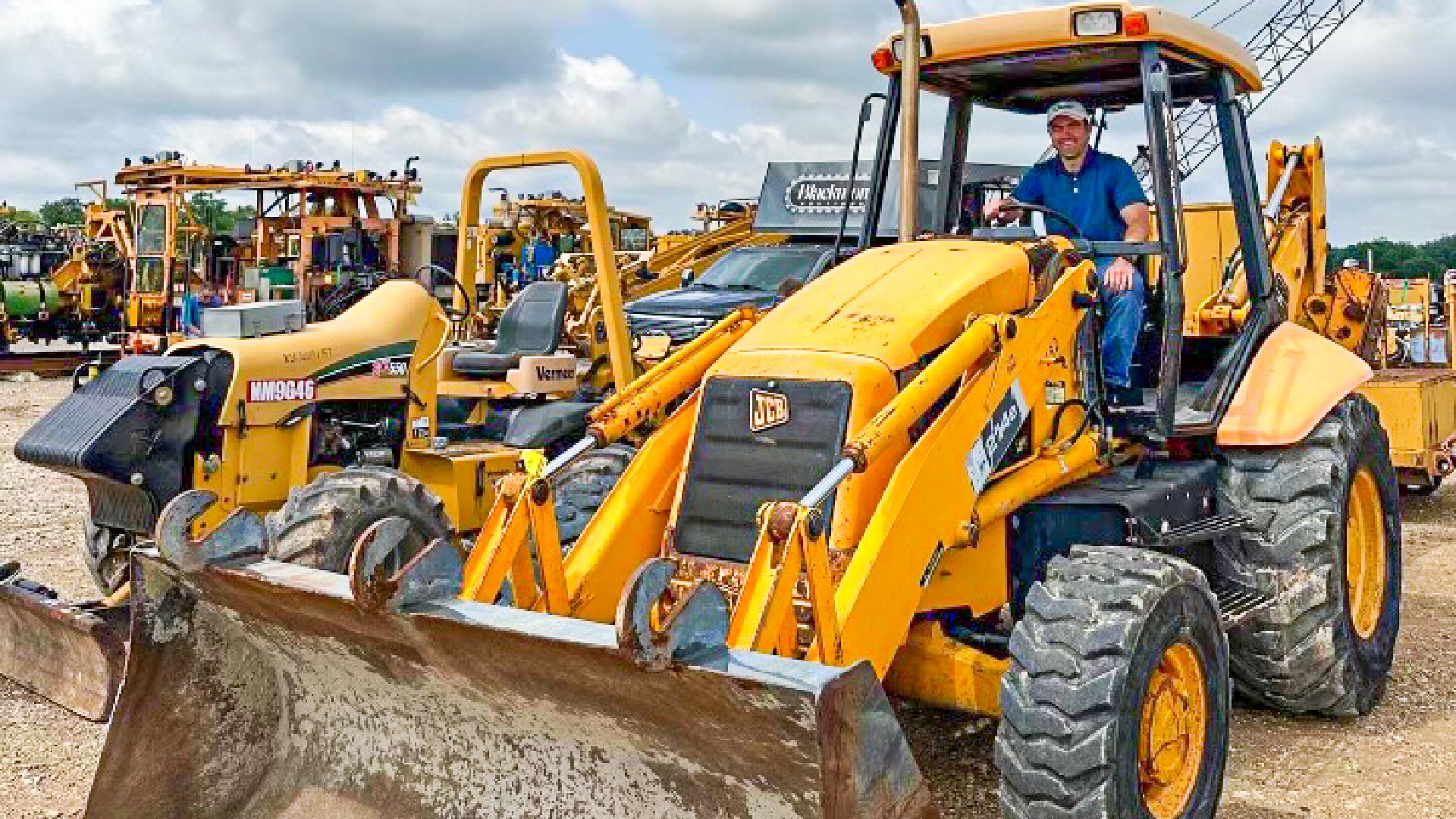
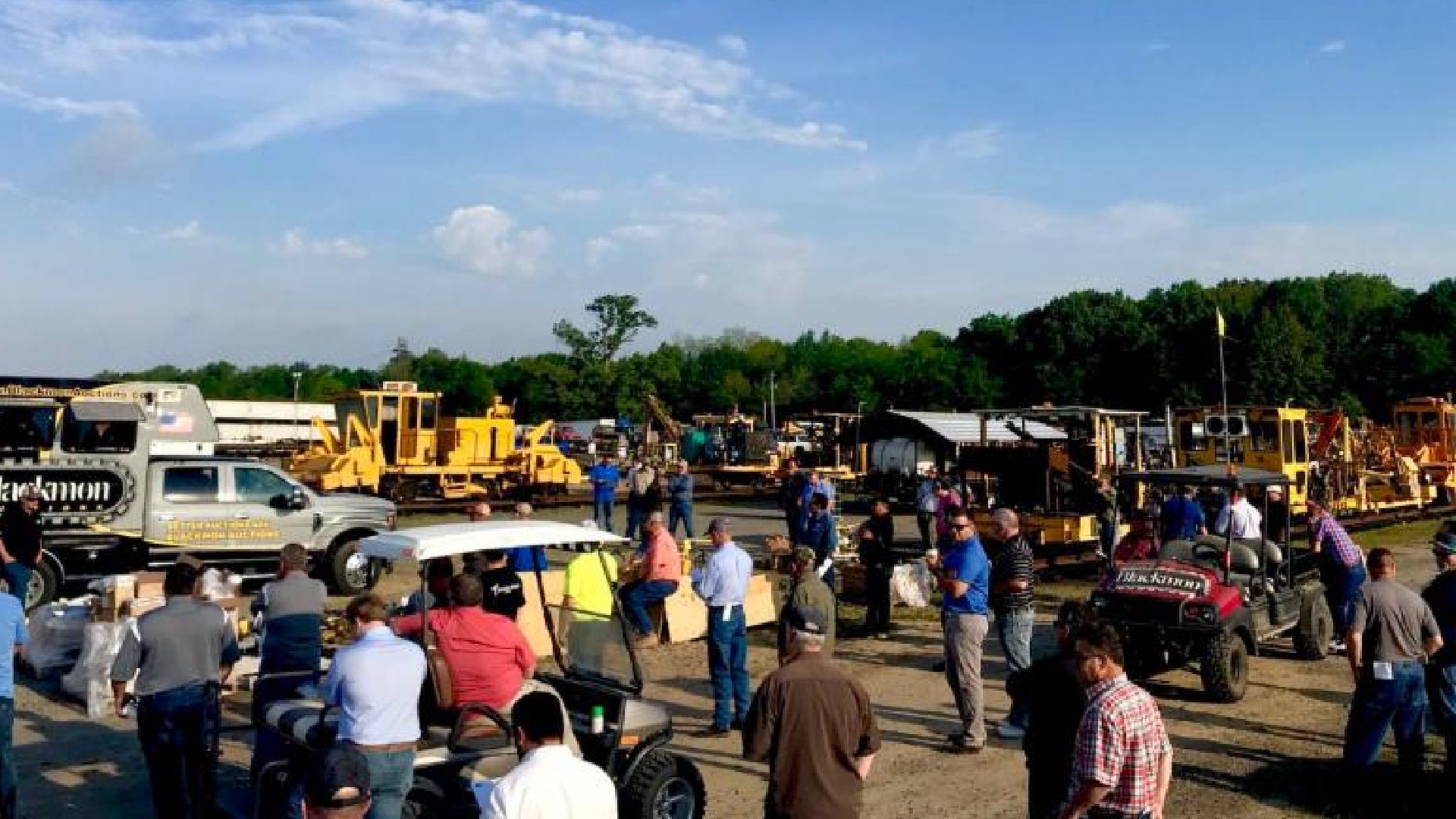
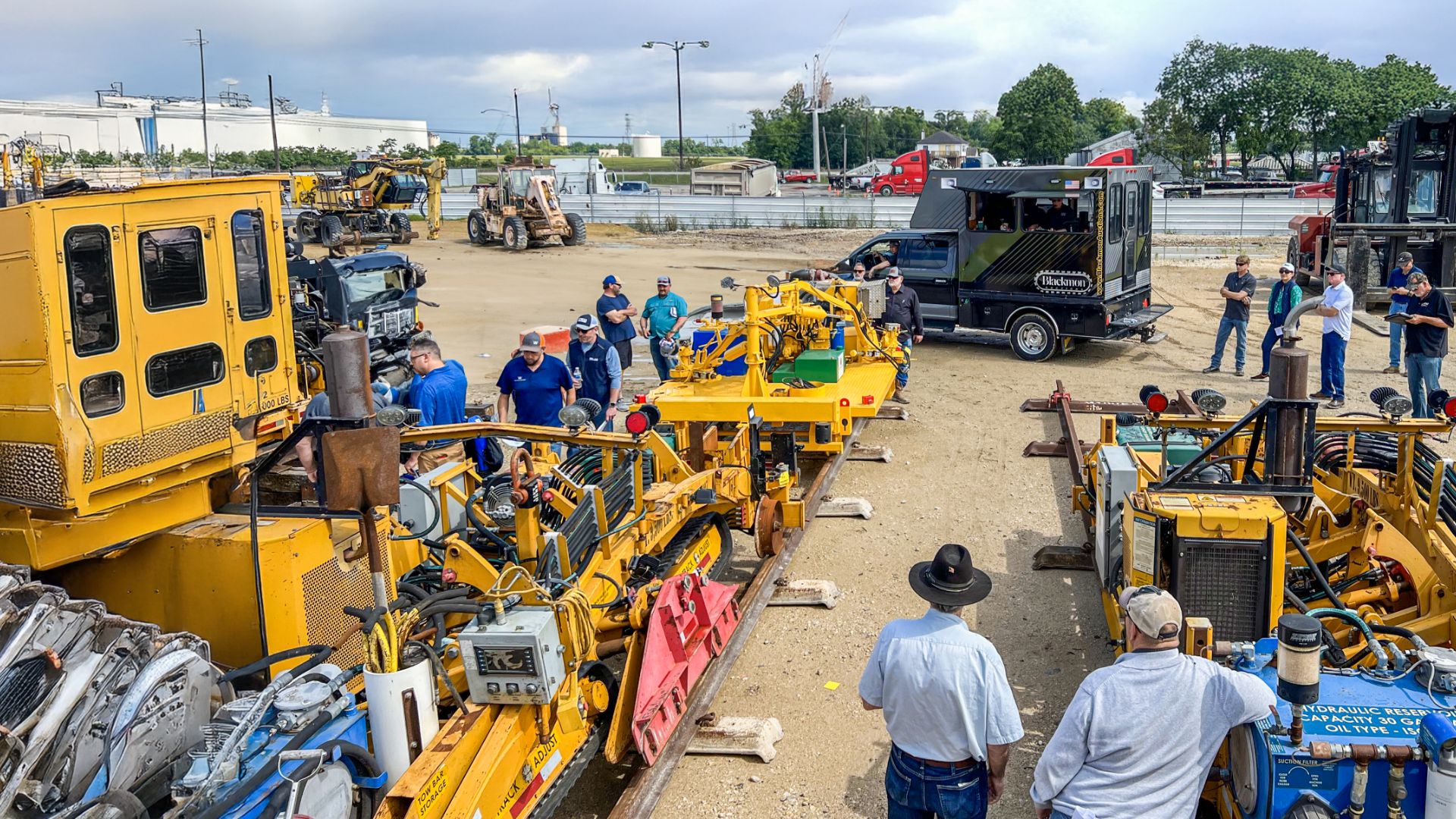
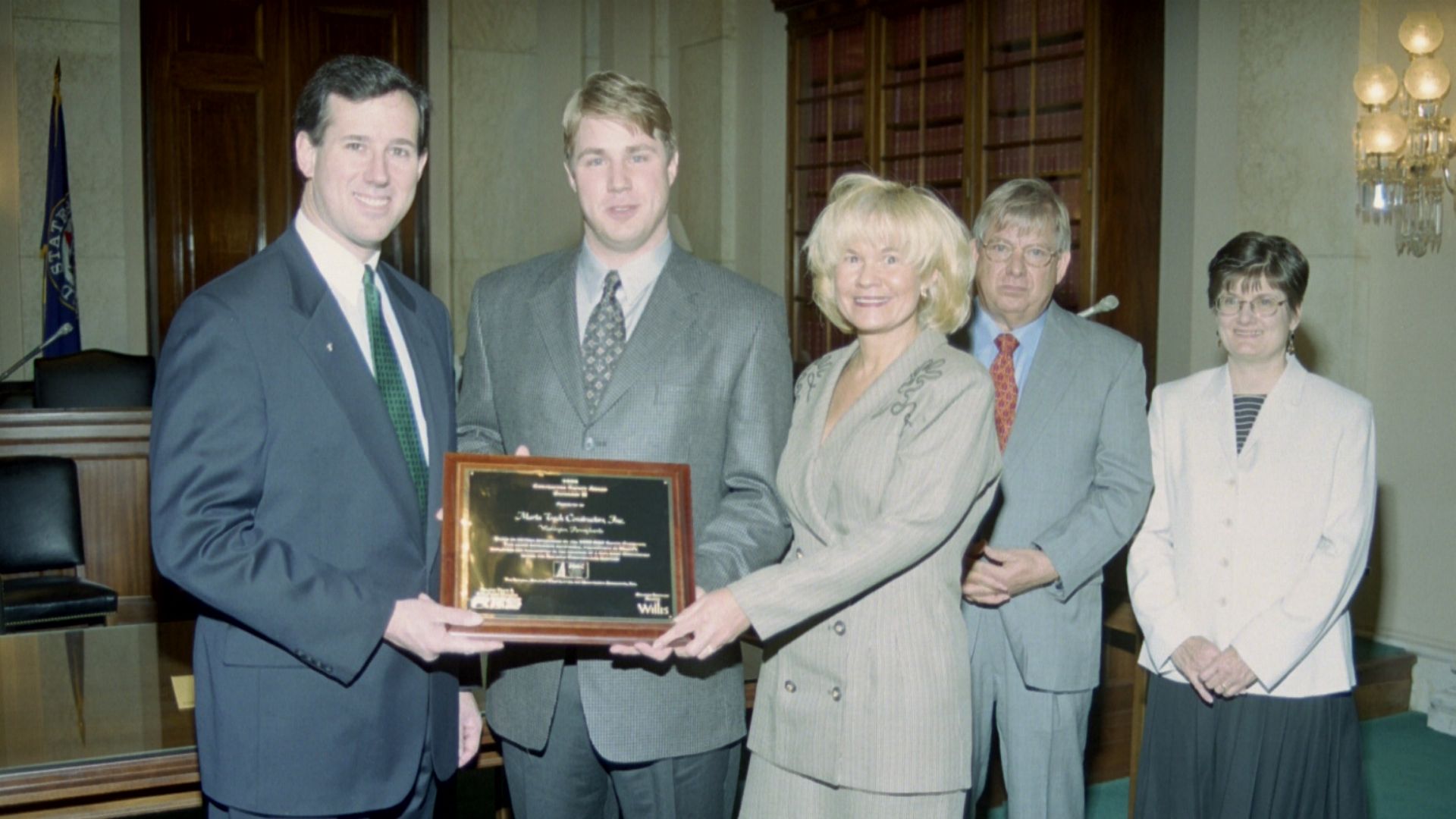
The NRC initiates a partnership with the Railway Engineering-Maintenance Suppliers Association (REMSA) featuring a joint trade show every other year. The partnership eventually expands to include REMSA managing the trade show every year.In March, the NRC holds its first railroad equipment auction in Greentree, PA, hosted by Phil Stout of Marta Track Constructors. Blackmon Auctions serves as the auctioneer company. Most of the equipment sale proceeds and 100 percent of donated equipment go toward the newly created NRC Safety & Training Fund to provide seed money for safety training videos among other initiatives.Chuck Baker begins working at the NRC at CC&H under the direction of Ray Chambers. He starts as manager and eventually progresses to serve as vice president, executive director, and eventually president. He remains the lead NRC staffer through 2019.
The NRC Safety Committee introduces its first Safety Video available on DVD. The videos address subjects such as proper use of railroad hand and power tools; safety on freight and industrial track; safety around field welds, railway maintenance equipment, thermal adjusting continuous-welded rail (CWR), transit track and hot work; and safety while unloading material. John Zuspan of Track Guy Consultants serves as the lead expert behind the creation and production of the videos.
Chuck Baker testifies before Congress to the House Transportation & Infrastructure Committee about the benefits of rail and rail industry investment opportunities. His remarks, along with other NRC and railway industry lobbying efforts, contributed to the passage of the American Recovery and Reinvestment Act (ARRA) of 2009 in the wake of the financial crash of 2008, which included a then stunning $8 billion for high-speed and intercity rail projects. This legislation also created the new Transportation Investment Generating Economic Recovery (TIGER) grants (later BUILD and then RAISE grants), which provide flexible funding for a wide range of multimodal transportation projects, including those related to railroads.
Chuck Baker serves as NRC President. During his tenure, NRC conference attendance grew from 350 attendees in 2005 to more than 1,000 in 2019 and membership peaked at 430 companies.
REMSA begins managing exhibitions in conjunction with the NRC annual conference every year, rather than every other year.
The NRC establishes a scholarship program to provide higher-education tuition assistance for children and grandchildren of employees of NRC member companies. The scholarships were established to honor the memory of two former NRC members — Vinnie Vaccarello (Co-President of All Railroad Services Corp. and an NRC board member) and Patsy Crisafi (Executive Vice President of Roadway Worker Training, Inc. and an active NRC Safety committee member) — who were killed in a small plane crash.
The NRC inducts John Zuspan (founder of Track Guy Consultants), Rick Ebersold (President of Herzog), and Ronald Brown (Annex founder and former RailWorks leader) into its Hall of Fame.
Chuck Baker steps down as president of the NRC to become president and CEO of the American Short Line and Regional Railroad Association (ASLRRA).The NRC establishes a Marketing Committee to explore rebranding opportunities.
The NRC transitions from CCH to a new management company, TGA Association Management Solutions, LLC (TGA AMS), founded by former NRC employee Matt Ginsberg. The firm provides government affairs and association management services.
Ashley Bosch Wieland is named president of the NRC.
The NRC introduces a new logo and branding campaign to reinforce its mission to build a safer and stronger railway construction and maintenance railway industry for its member contractors and suppliers.At its January conference, the NRC inducts Railroad Services' Harold Brace, Railroad Services/RailWorks Track Systems' Scott Brace and Atlas Constructions' Bill Stout into its Hall of Fame.
The NRC cancels its annual conference due to the COVID pandemic. In its place, it introduces NRC FirstLook, a digital webcast conference held online over four days throughout January.
The NRC inducts three railway industry leaders into its Hall of Fame: Chuck Baker, former NRC president and current president of the American Short Line and Regional Railroad Association (ASLRRA); Mike Choat, retired CSX chief engineer and former vice president of Wabtec's Railroad Controls Ltd.; and Stan Herzog, the former chairman, CEO and president of Herzog.
The NRC forms the Technology Committee. The Committee develops a new annual award — Innovation in Technology, later expanded to Innovation in Technology or Process — which is awarded for the first time at the January 2023 conference.
The NRC inducts Western-Cullen-Hayes' Ron McDaniel and McGrath Railroad Construction's Bud McGrath and Jon McGrath, Sr., into its Hall of Fame. After approving its establishment in October 2022, the NRC forms the Veterans Committee, with a mission to mentor transitioning military and attract them to jobs with NRC member companies.
The NRC expands its scholarship program to include employees of NRC member companies and introduces an additional scholarship for trade school students. The NRC establishes a Sustainability Committee to provide all member companies with a resource to understand global sustainability requirements and trends and to ensure continuous improvement of our industry and the customers we serve.
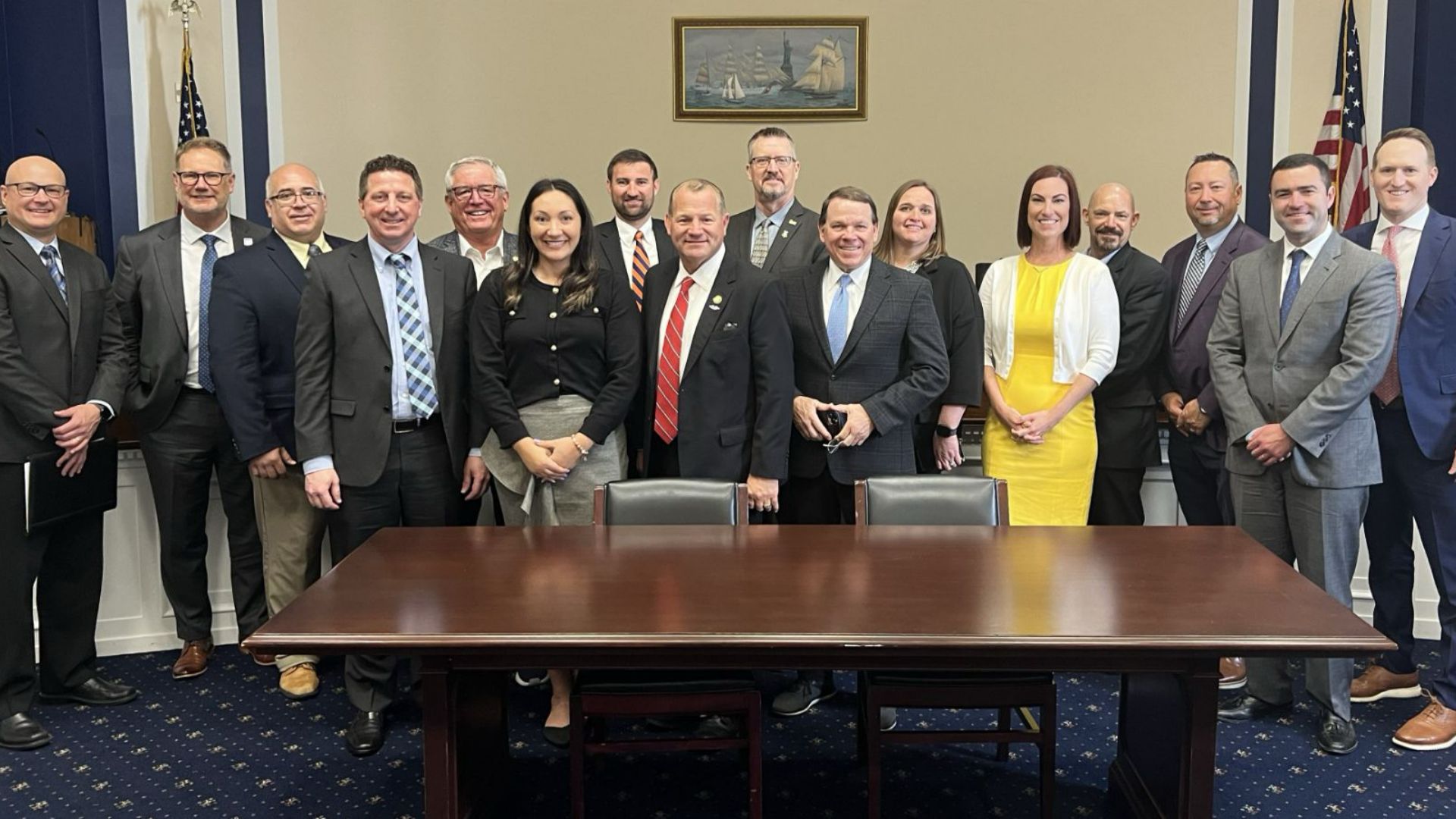
NRC Chairman Joe Daloisio advocates for rail industry contractors and suppliers on Capitol Hill in a hearing before the Railroads, Pipelines, and Hazardous Materials Subcommittee of the House Transportation & Infrastructure Committee. The hearing, entitled "America Builds: Examining America's Freight and Passenger Rail Network," features testimony from Mr. Daloisio and three other industry stakeholders who detail their priorities and suggestions for surface transportation legislative proposals in the current Congress.
NRC Board Member Kevin Hicks testifies on Capitol Hill in a hearing before the House Transportation & Infrastructure Committee's Subcommittee on Railroads, Pipelines, and Hazardous Materials. Titled "America Builds: Improving the Efficiency and Effectiveness of Federal Rail Assistance," the hearing features testimony from Mr. Hicks and three other industry stakeholders who share recommendations on rail funding programs, including the Consolidated Rail Infrastructure and Safety Improvements (CRISI) Program.
See our past chairmen.
V.N. DePrizio Construction Co.
Atlas Track Construction
Kelly Railroad Contractors
Midwest Railroad
Herzog
Railroad Services Inc.
Plasek RR Construction
Annex RR Construction
Railroad Builders
McGrath Railroad Construction
TrackWorks
Western Cullen Hayes
TrackWorks
Atlas Railroad Construction
Railroad Construction Company of South Jersey, Inc. (RCCSJ)
Central Engineering
RailWorks Track Systems Inc.
Delta Railroad Construction
Herzog Services, Inc.
McGrath Railroad Construction
Mass Electric
Loram
Colo Railroad Builders
RailWorks Track Services, Inc.
Railroad Constructors Inc.
Wabtec Corporation
Herzog Contracting Corp.
Danella Companies
Railroad Construction Co.
See our past conference locations.
November 3-5, Atlanta, GA
January 25-30, Orlando, FL
January 12-17, Tucson, AZ
January 23-28, San Diego, CA
January 17-24, Boca Raton, FL
January 25-31, Tucson, AZ
January 31 - February 4, San Diego, CA
January 25-31, Orlando, FL
January 7-14, Scottsdale, AZ
January 11-15, Boca Raton, FL
January 17-24, San Diego, CA
January 11-18, Marco Island, FL
January 16-22, San Diego, CA
January 8-12, Ft. Lauderdale, FL
January 14-18
January 16-19
January 5-9, Bal Harbour, FL
January 6, Palm Springs, CA
January 6-9, JW Marriott Resort & Spa, Palm Desert, CA
Florida
January 4-8, Hotel Del Coronado, Coronado, CA
January 7-12, The Loews Miami Beach Hotel, Miami, FL
JW Marriott Desert Springs Resort & Spa, Palm Desert, CA
January 7-10, Westin Diplomat Resort & Spa, Hollywood, FL
January 6-9, The Hotel Del Coronado, Coronado, CA
January 5-7, The Boca Raton Resort & Beach Club, Boca Raton, FL
January 10-13, J.W. Marriott L.A. Live Hotel, Los Angeles, CA
January 6-9, JW Marriott, Marco Island, FL
January 5-8, The Hotel Del Coronado, Coronado, CA
NRC FirstLook — Digital webcast conference (COVID pandemic), 4 days in January
January 5-8, JW Marriott Desert Ridge Hotel, Phoenix, AZ
January 3-6, Fairmont Scottsdale Princess Resort, Scottsdale, AZ
January 4-7, The Boca Raton Resort & Beach Club, Boca Raton, FL
January 5-8, The Marco Island Beach Resort, Marco Island, FL
January 7-10, The Diplomat Beach Resort, Hollywood, FL

“The networking at the conference has been the best value for us. This is an opportunity to meet with our customers and peers outside of work. We work together on our common goals (Safety, for example) and generally discuss the state of the industry.”
President, Civil/Rail
Ragnar Benson Construction LLC.

